If injury happens, control of the rectal muscles might be partially lost, and urinary incontinence of gas or stool may result. For these factors, it is possibly best not to have a regular episiotomy at the time of shipment. Women need to talk about episiotomy with their medical professionals before the child schedules. Similarly, the muscle mass and connective tissues that hold the anus in its area under the vaginal area may be weakened or torn by labor and delivery, which allows the anus to protrude up right into the vaginal canal. The words rectal prolapse or rectocele are usually made use of by medical professionals to explain these adjustments in the shape of the vagina. However, in the majority of women these changes recover and resolve within a few months without any therapy.
The general prevalence reported by Thom et al. in between 2 and 13 weeks post-partum was 33.3%. This might be because of the reality that Thom et al. did not report a heavy occurrence. With protective urinary incontinence products, you can continue to take pleasure in bonding with your infant. After you’ve completely recouped from giving birth, consult with your doctor about your urinary incontinence and begin taking steps to restore control of your bladder. Some ladies may gain from additional treatment or therapies for postpartum urinary system incontinence, such as physical treatment, bladder support devices, medicine or surgery for certain kinds of incontinence. The outcomes show a total mean occurrence price of UI up to 1 year post-partum of 31%, with a variety of 10% to 63%.
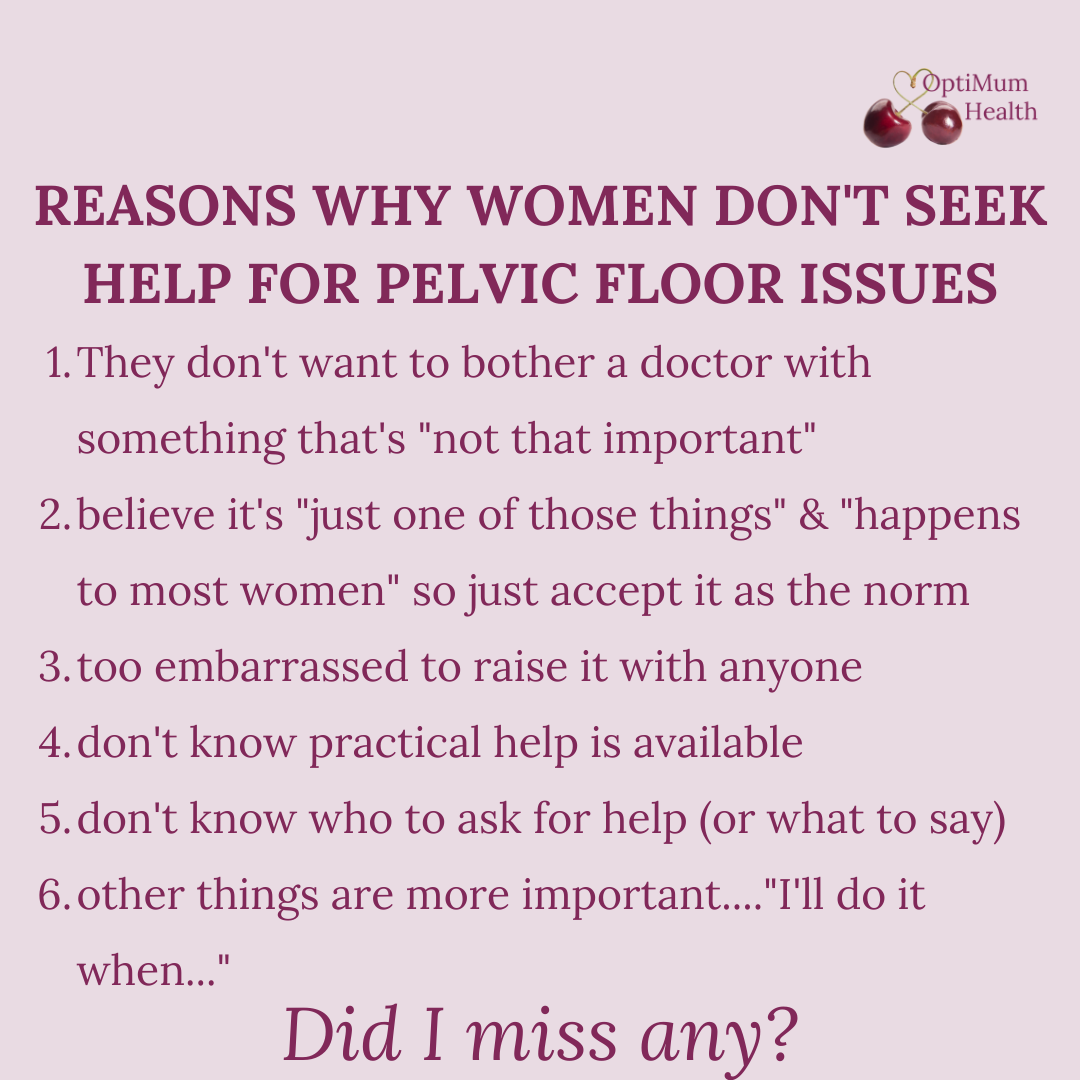
Nonetheless, over half of the females with UI post-partum think that it will improve by itself in time and only 25% of women with post-partum UI in fact seek help [67] However, 73% of females with UI 3 months post-partum still report UI at 6 years post-partum [6] Trustworthy information on UI occurrence is hence important to approximate health care problem, allotment of healthcare sources and study planning.
Every one of your nerves, organs, and muscular tissues work together, so the bladder works effectively. At Holistic OB/GYN & Midwifery in Passaic Park, New Jersey, we understand the significance of compassion when handling this sensitive concern. We aid women with pregnancy, giving birth, and past by developing long-term relationships and making use of an alternative strategy to total wellness. An absence of sensitivity and some loss of control are likely as you heal.
- A pelvic flooring that’s looser and softer, which results in less control of your bladder.
- The response option not suitable (occasionally racked up in requirements 5) was considered to be a ‘yes’.
- With the appropriate care, you can reclaim control over your bladder and concentrate on the happiness of motherhood with self-confidence and convenience.
- This is the first evaluation to report the frequency and incidence over the initial 12 months post-partum and trouble in regard to post-partum UI.
- A lot of included researches revealed a modest threat of prejudice, which affects the opportunity to separate prevalence in between teams relating to threat of technical quality.
- Postpartum incontinence can present in different methods, depending upon how the pelvic flooring, bladder, and surrounding nerves were influenced while pregnant and childbirth.
For How Long Should You Be Off Contraception Prior To Trying
Can postpartum bladder prolapse recover itself?
The problem most likely won’t vanish by itself and may worsen gradually without therapy. We typically advise starting with conventional treatment strategies whenever possible. Pelvic floor treatment and Kegel exercises may be all you need to recover your pelvic area to deal with placing.
If you’re still experiencing urinary incontinence more than 6 weeks after delivering, it’s time to make a visit with Holistic OB/GYN & Midwifery for a comprehensive exam and treatment strategy. A treatment strategy might consist of Kegel exercises, bladder training exercises, or way of living modifications. To learn more, publication a consultation online or over the phone today. Urinary incontinence is twice as most likely to influence a lady than a man. Among the factors is because maternity and distribution affect a woman’s bladder and various other supporting muscles.
Lasting urinary incontinence after having a baby isn’t typical, and it is very important to acknowledge the indications so you can obtain the therapy you require. Specific foods and beverages can aggravate the cellular lining of your bladder, resulting in raised seriousness, frequency, or leakage. Usual bladder toxic irritants consist of caffeine (located in coffee, tea, chocolate, and some soft drinks), carbonated beverages, alcohol, zesty foods, sweetening agents, and acidic foods like citrus fruits and tomatoes.
As your maternity advances, your growing womb will certainly push against your bladder and other organs. Hold your horses as you work with your physician or nurse on a treatment strategy. It might take a month or longer for various treatments to begin functioning. Your physician or registered nurse will certainly do a physical examination to try to find signs of Preventive Health (mouse click on Swiftnestly) problems that can create incontinence.
The two most common sorts of urinary system incontinence that affect ladies are stress and anxiety urinary incontinence and urge incontinence, also called over active bladder. This might be due to the fact that pregnancy, giving birth, and menopause might make urinary incontinence more probable. Urinary system urinary incontinence is not a typical part of aging, and it can be dealt with. Pregnancy and childbirth are difficult on the body and can impact more than your uterus. The excess weight from your expanding child can put pressure on your bladder and other bordering organs, frequently damaging the muscles that manage urine circulation, the pelvic floor muscle mass.
Urinary Incontinence After Delivery– There Are Options
As every female that supplies a child understands, labor and delivery subject the body to forces that are not come across in any kind of other circumstance. As the baby’s head comes down right into the pelvis, it presses against the muscle mass that line the inside of the hips. The farther down the infant’s head goes into the hips, the higher the pressure versus these muscular tissues and underlying nerves.
The Length Of Time Does Postpartum Incontinence Last?
A long labor and extended pressing can raise the probability of instant pelvic floor muscular tissue weakness adhering to distribution. In this case, the pelvic muscular tissues stretch and weaken while pregnant and genital distribution. If the muscle mass do not supply adequate support, the bladder might relocate down or droop, triggering movement of the urethra, and leading to urinary incontinence with boosted abdominal stress. A lot of ladies’s incontinence signs go away in the days or weeks after their infant is born.